Amanda Hansavathy is an interdisciplinary artist, researcher, educator, filmmaker, writer, and cultural historian.
Working across archival practice, contemporary art, and ritual, she explores indentured histories, their afterlives, and the ongoing structures of colonisation that shape the present.
She is the great-great-granddaughter of Lalcoua Coolie, who was transported from India to St Lucia to work on plantations as an indentured labourer. A mother: she comes from a line of resilient women.
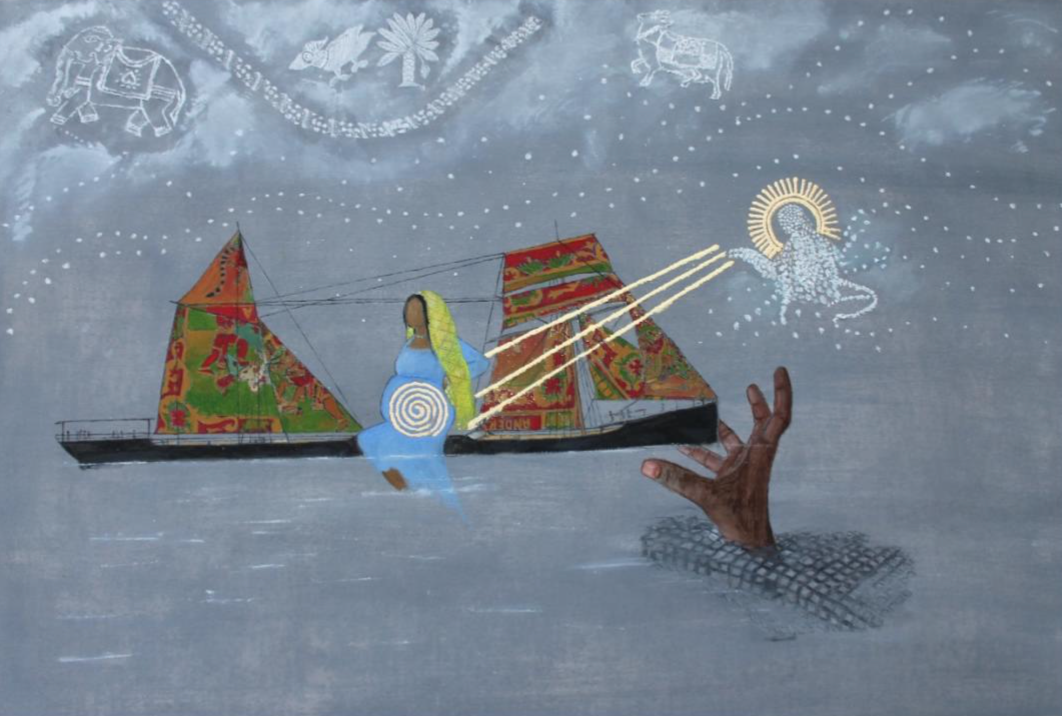
Acts of God (2025) Oil on canvas, 91cm x 61cm
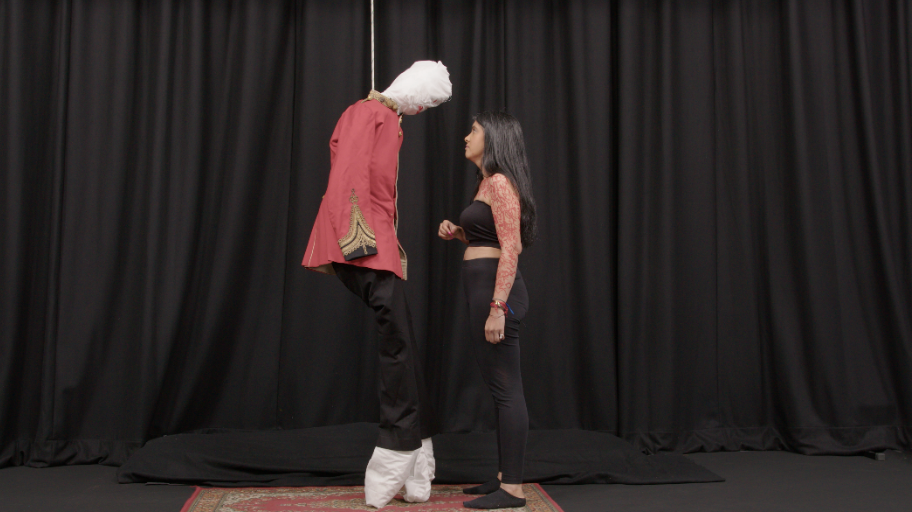
From Madanm Coolie – An Intro (2025)
Through her persona Madanm Coolie, she illuminates endangered oral histories and creates a bridge between past and present. As a former underwriter in the insurance industry, she brings ten years of corporate experience to her research. Her interest in the history behind Lloyd’s of London led her to search ship records for the names of her ancestors, with guidance from parents, grandparents, and extended family.
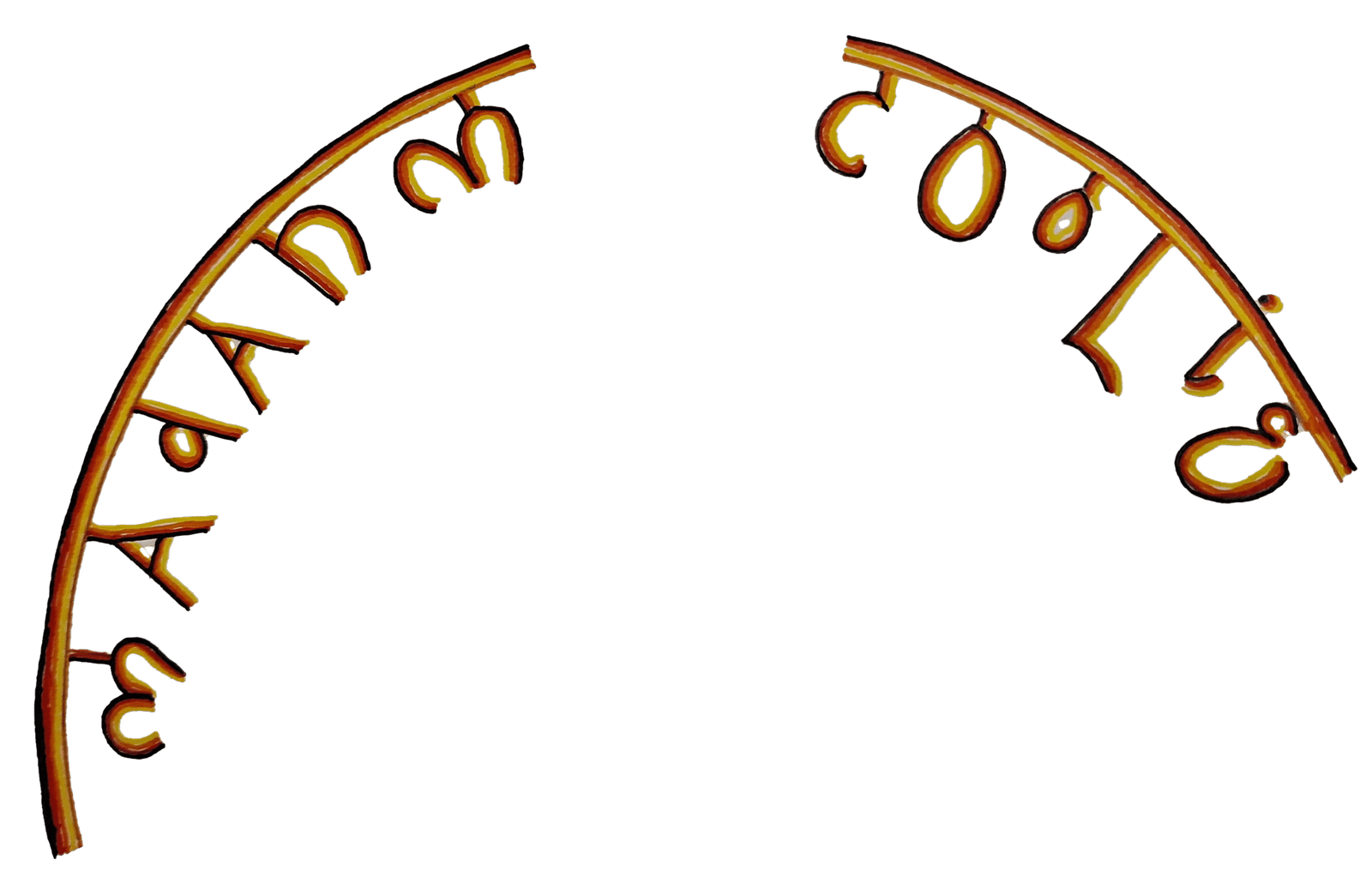
She created a Sanskrit mantra to support herself and others on their journey:
Ahaṁ Satyamanvicchāmi (अहं सत्यमन्विच्छामि), which means, I Search for Truth
Her short film Madanm Coolie – An Intro (2025) introduces her research and explores power dynamics within relationships and the legacies of colonisation. It was screened at the Ghazipur Literature Festival in India, raising awareness of indentureship, a history often omitted from the history books. It was also screened at Thrive Art in Toronto and at the London Migration Film Festival.
She works across a range of media including sculpture, illuminated manuscripts, photography, oil and watercolour painting, textiles, collage, sound, performance, and film. She challenges patriarchal ideologies and traditional sources of knowledge — and how we obtain it — exploring themes such as identity, migration, and ancestral memory. She works intuitively, embracing the serendipity of the archive: the archive speaks, and insights emerge that cannot be grasped through logic alone. Her practice incorporates rituals to connect with the ancestors within, trusting the intuitive knowledge received and giving voice to women present in the archive.
(Photo Credit Dahée Zoe de Hanyan)
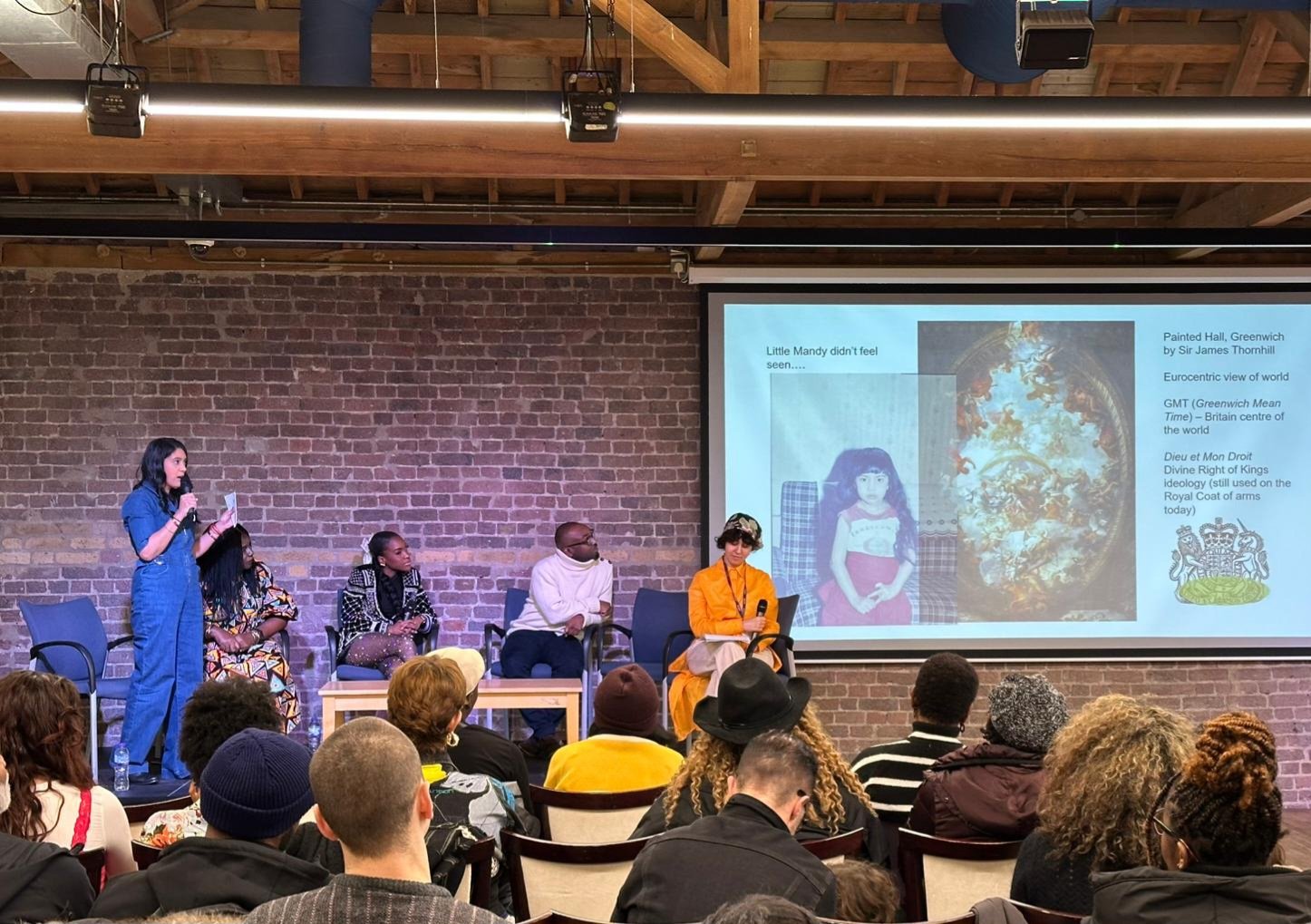
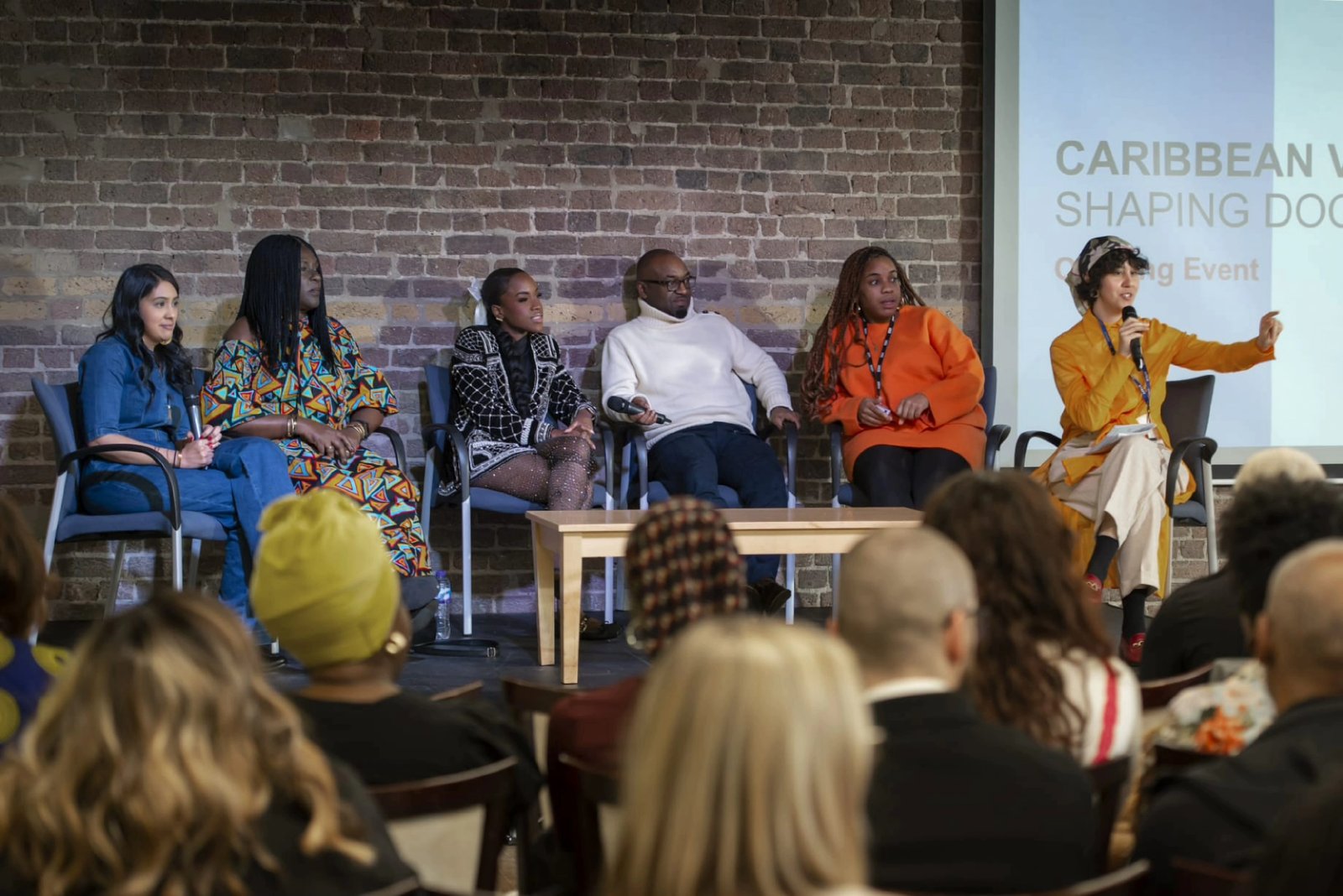
Community Partners at London Museum (left to right): Amanda Hansavathy, Deanna Melvina Michel-de Sousa, Amber Ogunsanya-Williams, Kevin Stuart and Shereen Lafhaj (Curator).
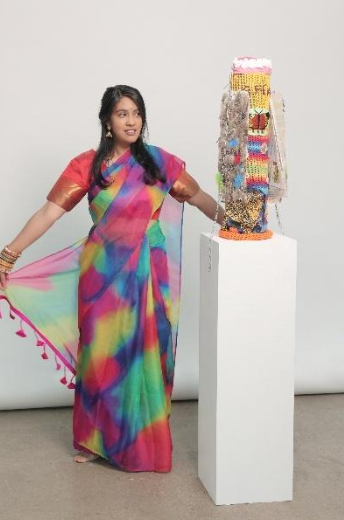
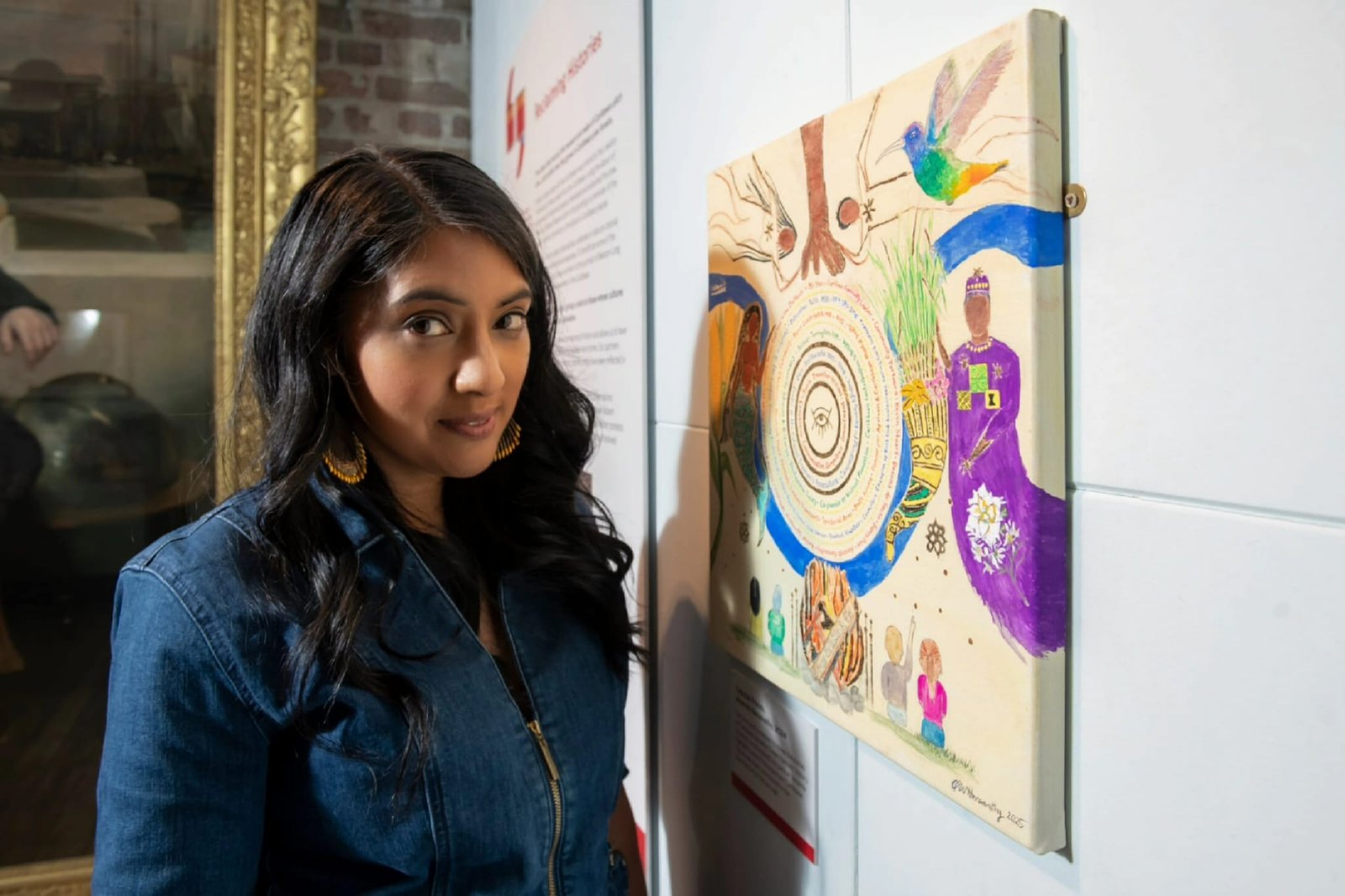
As a community partner at the London Museum Docklands, she contributed to the curation of Caribbean Voices: Shaping Docklands, which includes her commission, Celestial Friends. Her mother, a Windrush nurse from St Lucia, is included in the display. She has led guided tours of the exhibition and delivered talks on the Caribbean figures who shaped the Docklands and Tower Hamlets through public service and activism.
Amanda Hansavathy pictured with her commission, Celestial Friends (2025) at the London Museum Docklands
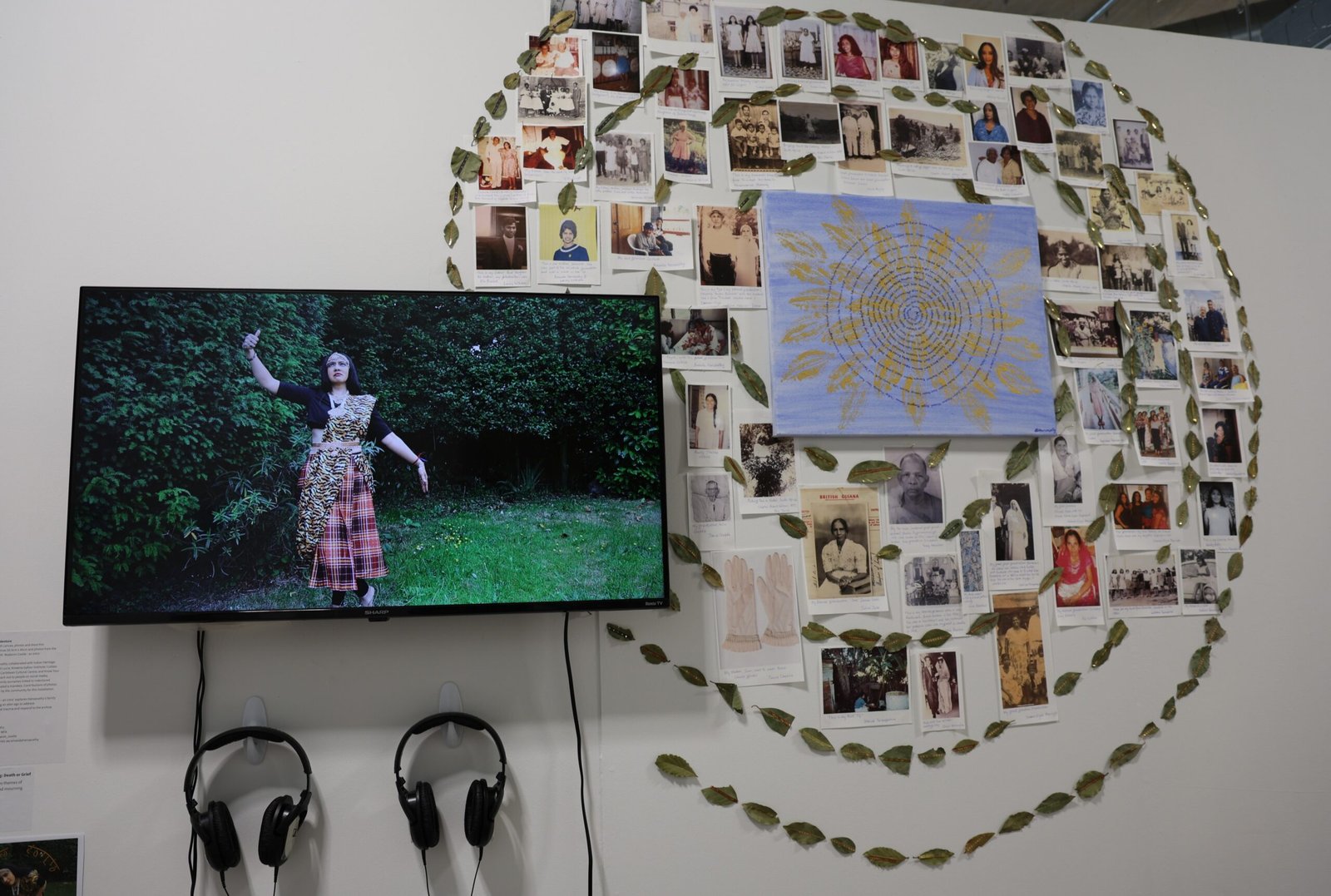
To commemorate Indian Arrival Day across the diaspora and connect with people of indentured heritage, she reached out through social media and collected over 300 family surnames. She has collaborated with organisations like the Indian Heritage Association of St Lucia, Ameena Gafoor Institute, The Indo-Caribbean Cultural Centre, and Cutlass Magazine. The ancient Romans used laurel wreaths to celebrate heroes, and in her final-year exhibition at the Royal College of Art in 2025, she used bay leaves around her ‘community on canvas’, which was displayed alongside family photographs of women from the community. The work challenges colonial representations of indentured women, such as those depicted in the Belle postcards from Trinidad.
From left to right: Amanda Hansavathy, Deanna Melvina Michel-de Sousa, Amber Ogunsanya-Williams, Kevin Stuart, Shereen Hunte (Engagement Manager) and Shereen Lafhaj (Curator).
Above: An image from her exhibition ‘Archives of Indenture’ at the Royal College of Art in 2025 with a still image from Madanm Coolie – An Intro (2025), alongside the Mandala of surnames linked to indentured heritage and photographs from the international community.
The aim of this community building project is to raise awareness of indentureship, since it is not taught as part of the UK national curriculum. Her mandala of surnames functions as a living petition — that the community exists not only locally, but internationally, as a legacy of empire.